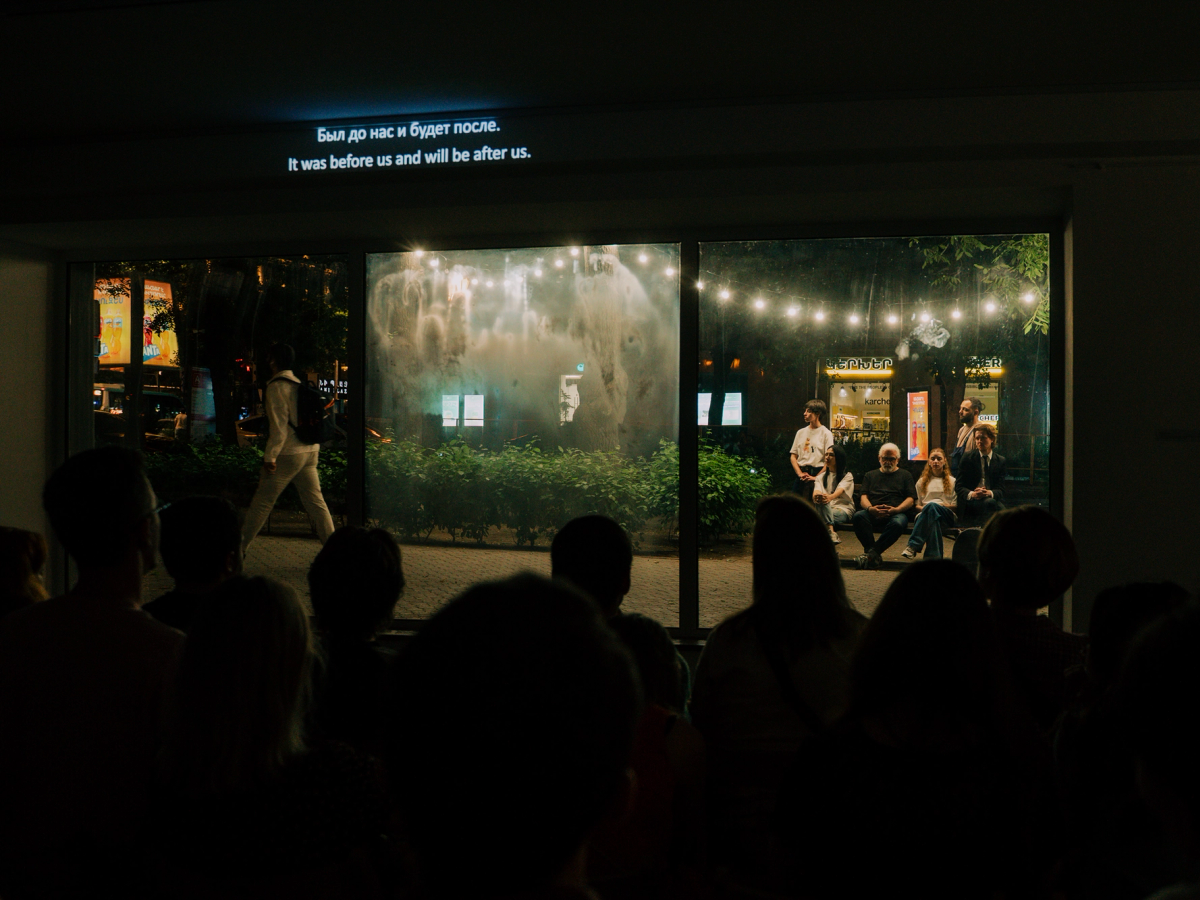
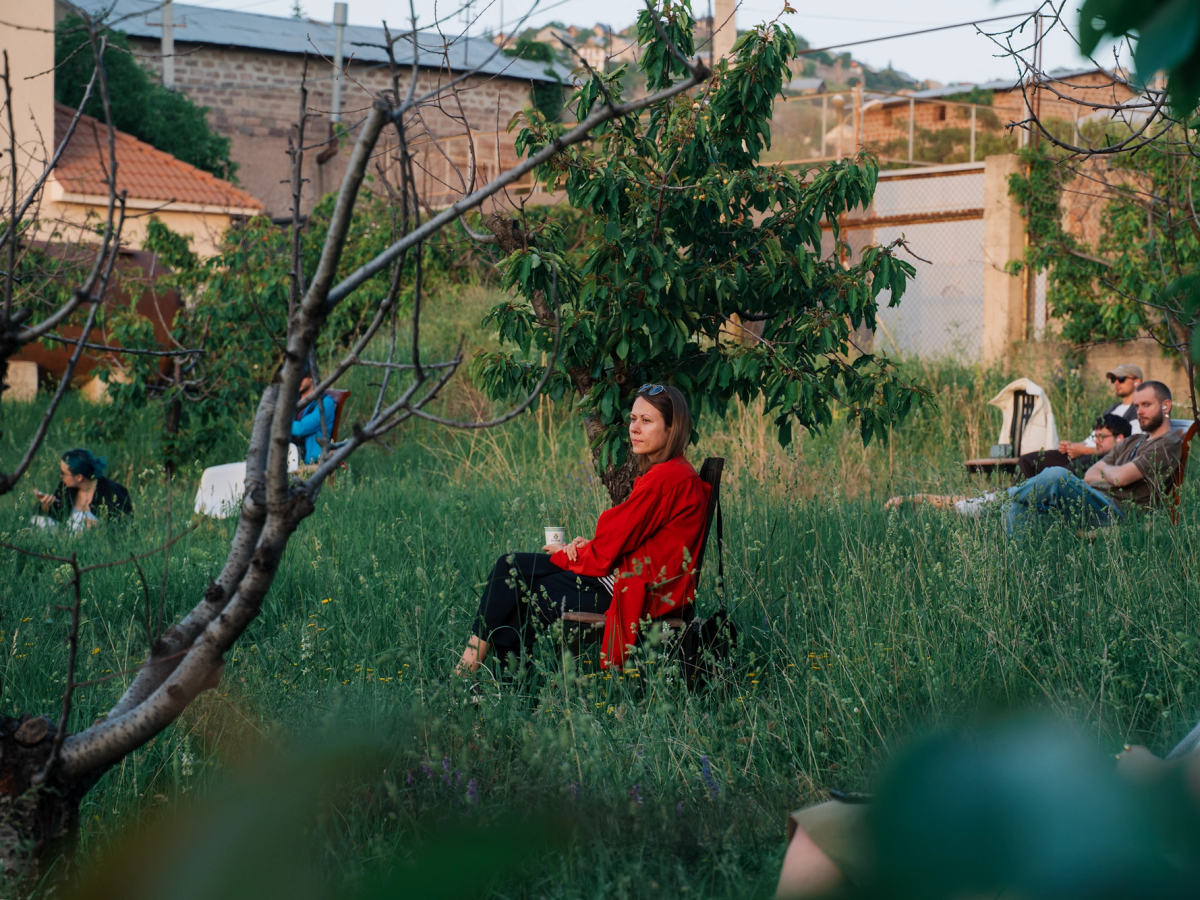
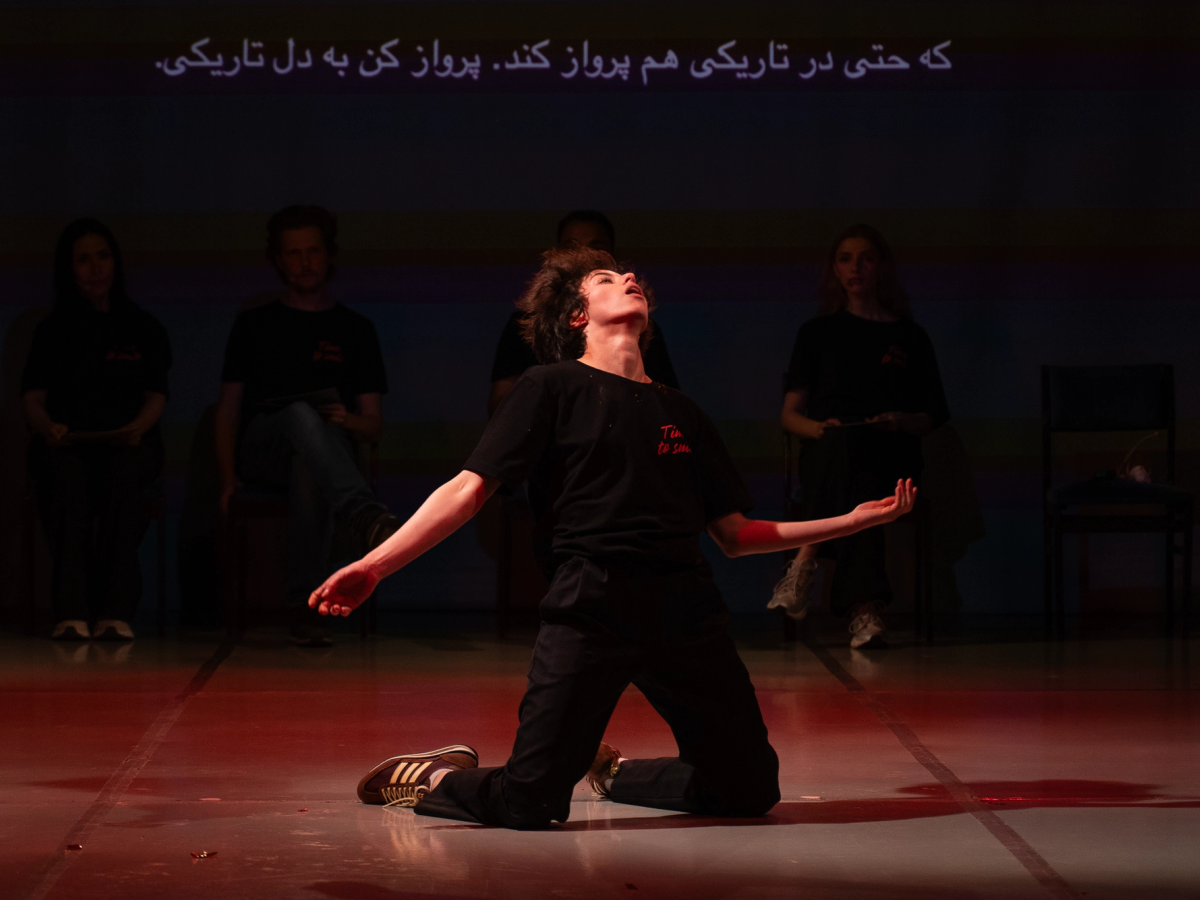
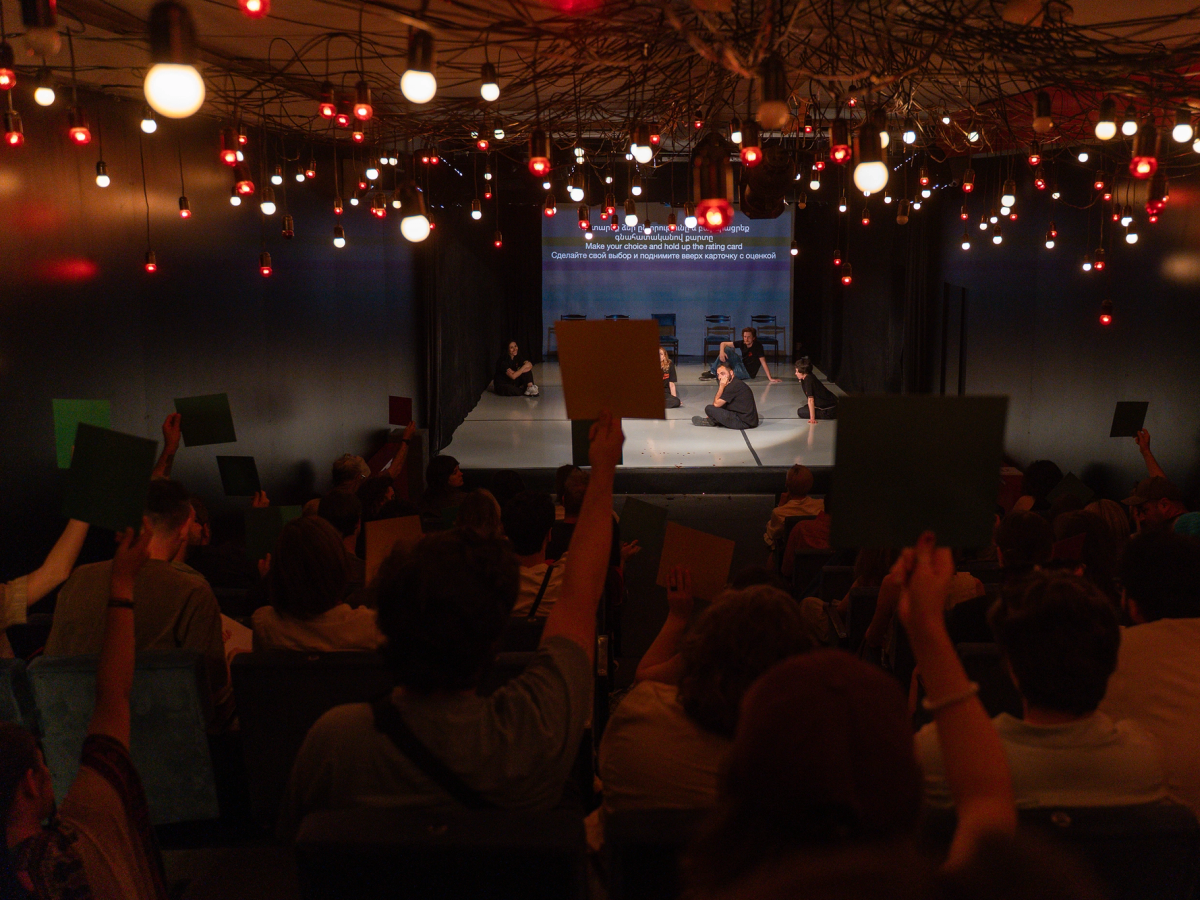
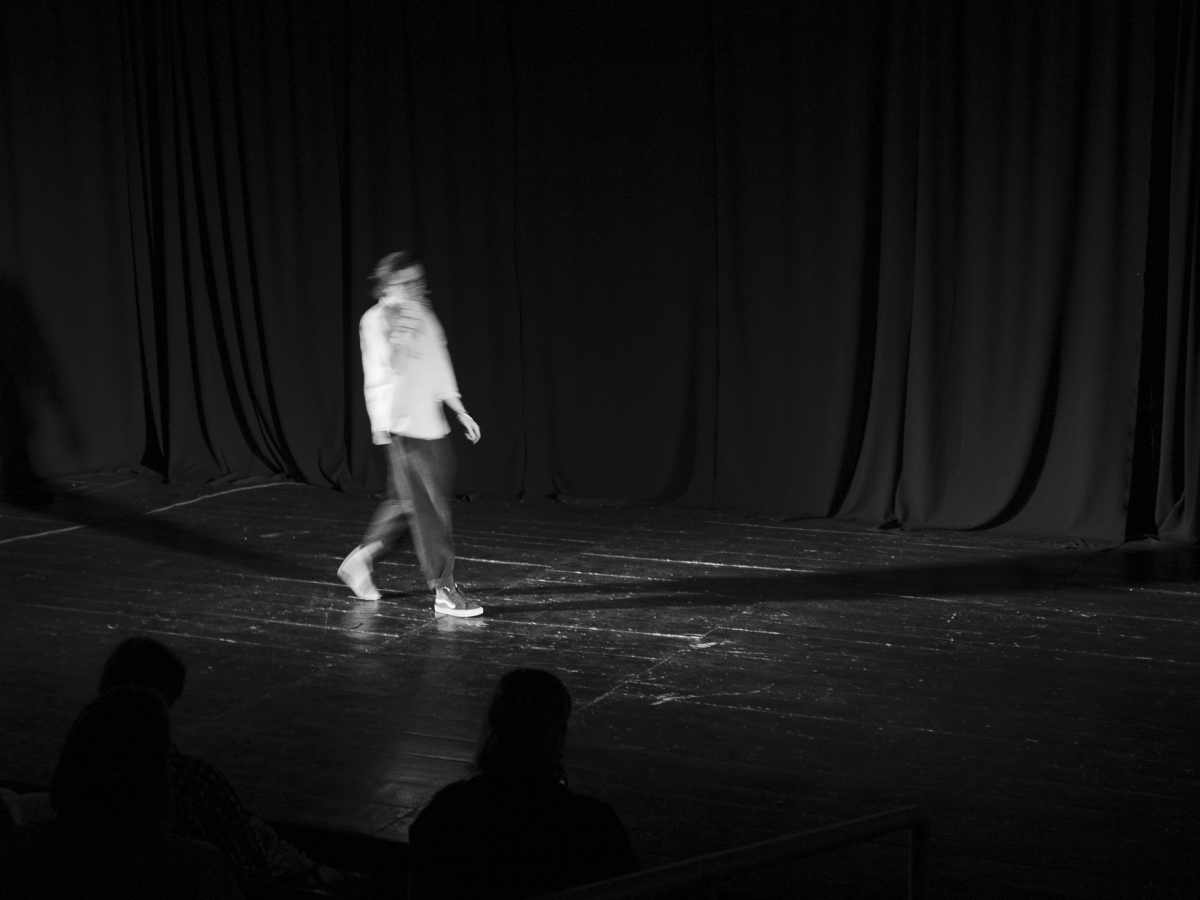
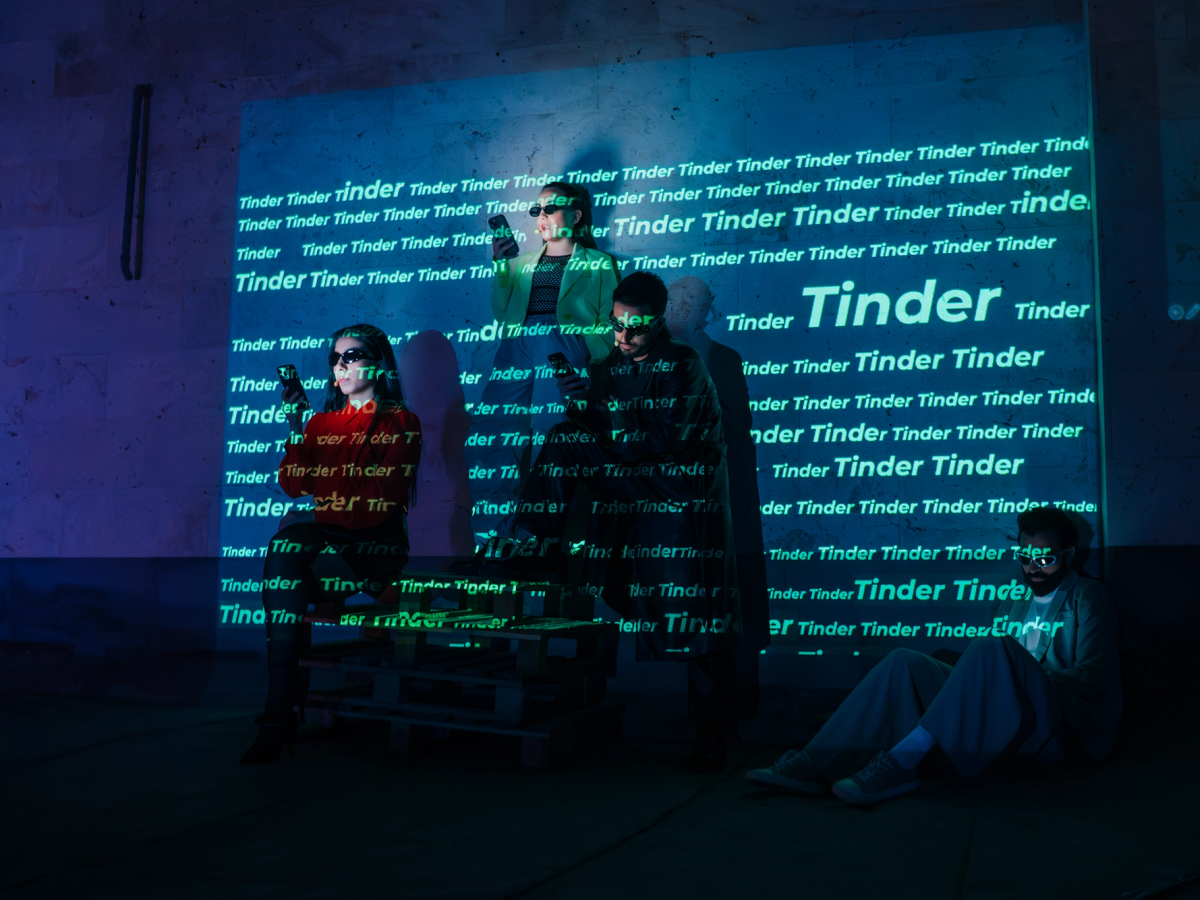
Chronofest is an international festival of contemporary theatre and performance held in Yerevan, organised by Chronotope, a theatre company based in Armenia since 2022. The festival brings together artists and audiences for intensive professional exchange, fostering an environment in which contemporary art can develop and both makers and viewers find renewed motivation.
The festival is curated by director Ilya Moshchitsky and producer Artem Arsenian. In 2025, it ran from 1 to 7 June, with support from the hosq, the Small Theatre NCA, and the NPAK Centre for Contemporary and Experimental Art.
Chronofest has presented a broad spectrum of work: immersive, documentary and performative theatre, solo shows, Playback and Forum Theatre, audio plays, promenade performances, site-specific work, and conventional productions, alongside lectures and workshops.
The shared ambition of Chronofest and Chronotope is to build a rooted community around contemporary theatre in Yerevan — to surface new voices, to engage with the Armenian language and local artists, and to set work from around the world in genuine dialogue with Armenian culture.
Throughout the year, Chronotope rehearses and produces performances, runs educational programmes and laboratories, and collaborates with partner institutions. Rather than imposing fixed themes or positions, we work to develop shared aesthetic and ethical principles through ongoing conversation — with artists, audiences, and the city itself. We resist authoritarian and declarative art, and work towards a theatre that is socially engaged, ethically grounded, and open to doubt.
Economic independence is central to what we do. It allows us to make non-commercial work outside the pressures of media cycles and mass culture. We are open to failure and prepared for resistance — and we believe that something can shift: in the way theatre is made, and in the way it is felt.
The theatre we make does not position itself above those who perform or watch it. We ask questions and look for answers together, addressing each person directly — the viewer as a thinking subject, the performer as a co-creator. Performances break the fourth wall not as a gesture, but as a necessity: through silence or an ironic question, through pain or philosophical paradox, they dismantle the passive comfort of entertainment. Within the space of the festival, everyone is part of the work.
Festival Moments